
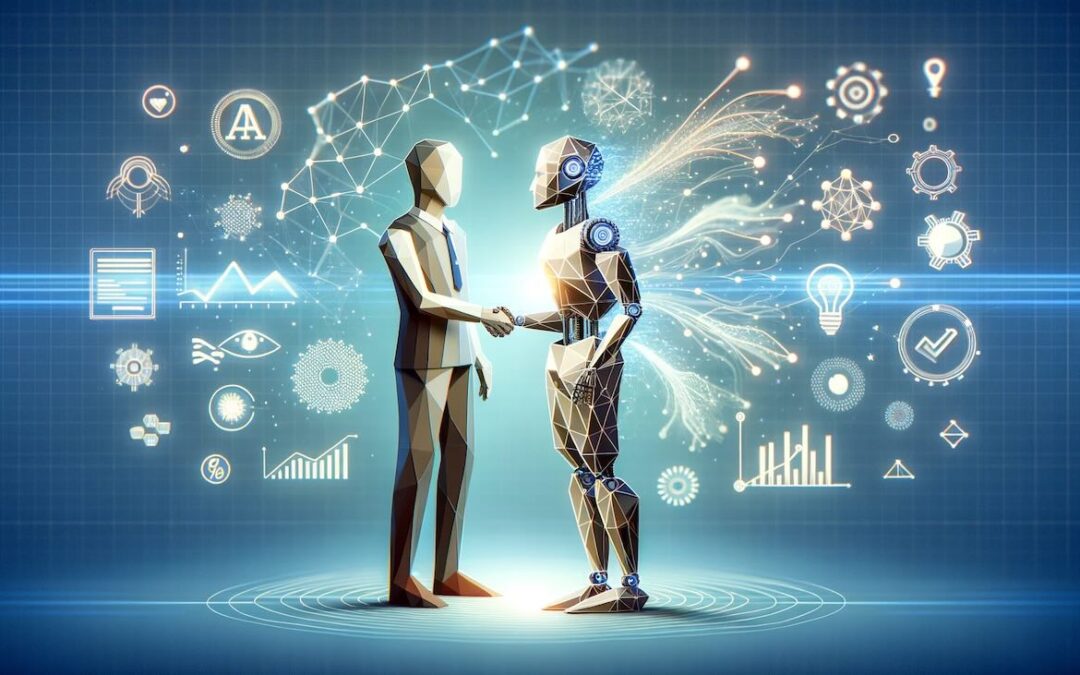
Customer acquisition is no longer what it used to be. Businesses that once relied on broad targeting, manual optimisation, and static campaigns are now shifting towards intelligent, adaptive systems that continuously learn and improve. Working with an AI Marketing Specialist has become a key advantage for companies that want to stay competitive in a fast-moving digital environment.
In 2026, AI marketing is not just about automation or saving time. It is about fundamentally changing how businesses identify, attract, and convert high-intent customers. The brands that understand this shift are seeing better lead quality, improved conversion rates, and more efficient use of their marketing budgets.
The Shift from Campaigns to Intelligent Systems
Traditional marketing has always been campaign-driven. You plan a campaign, launch it, analyse the results, and then optimise. While this approach still exists, it is no longer enough in a world where customer behaviour changes rapidly.
AI marketing introduces a systems-based approach. Instead of running isolated campaigns, businesses are building interconnected ecosystems where data flows continuously between platforms. These systems analyse behaviour in real time, automatically adjust targeting, and optimise messaging based on performance signals.
This shift means that customer acquisition is no longer reactive. It becomes predictive. Businesses can identify potential customers before they even actively start searching, positioning themselves earlier in the decision-making process.
Better Targeting Through Real-Time Data
One of the biggest advantages of AI marketing is the ability to process vast amounts of data instantly. Instead of relying on assumptions or historical averages, businesses can now act on real-time insights.
This leads to significantly better targeting. AI systems can identify patterns in user behaviour, segment audiences dynamically, and prioritise high-value prospects. Rather than casting a wide net, businesses can focus their efforts on individuals who are most likely to convert.
The result is not just more leads, but better leads. Customer acquisition becomes more efficient because marketing spend is directed towards the right people at the right time.
Personalisation at Scale
Personalisation has always been a goal in marketing, but executing it effectively at scale has been difficult. AI changes that completely. Businesses can now deliver highly relevant messages tailored to individual users without increasing manual workload.
From personalised ad creatives to dynamic website content, every touchpoint can adapt based on user behaviour, preferences, and intent signals. This creates a more engaging experience for potential customers and increases the likelihood of conversion.
In 2026, customers expect this level of relevance. Generic messaging is easy to ignore, while tailored experiences stand out and drive action.
Faster Decision-Making with Predictive Insights
AI marketing does not just analyse what has happened. It helps businesses understand what is likely to happen next. Predictive analytics allows marketers to anticipate trends, identify emerging opportunities, and adjust strategies proactively.
This has a direct impact on customer acquisition. Businesses can shift budgets towards high-performing channels faster, test new approaches with lower risk, and avoid wasted spend on underperforming strategies.
Instead of waiting for monthly reports, decision-making becomes continuous. This agility gives businesses a significant edge in competitive markets.
Smarter Paid Advertising Strategies
Paid media is one of the areas where AI marketing is having the most immediate impact. Platforms like Google Ads and Meta already rely heavily on machine learning, but the real advantage comes from how businesses structure and manage their campaigns.
AI-driven strategies focus on feeding the right data into these platforms. This includes conversion tracking, audience signals, and high-quality creative inputs. When set up correctly, these systems can automatically optimise bids, placements, and targeting.
However, this does not mean marketers lose control. The role shifts from manual optimisation to strategic oversight. Businesses that understand how to guide these systems are seeing stronger performance and more consistent results.
Content That Aligns with Intent
Customer acquisition is no longer just about visibility. It is about relevance. AI marketing helps businesses create content that aligns closely with user intent, making it more likely to attract qualified prospects.
This includes everything from search content to landing pages. AI tools can analyse search behaviour, identify common questions, and suggest content structures that improve engagement. When combined with a strong strategy, this leads to higher-quality traffic and better conversion rates.
Content becomes a key driver of acquisition rather than just a support channel.
Automation Without Losing Strategy
There is a common misconception that AI marketing removes the need for strategy. In reality, it makes strategy even more important. Automation handles execution, but direction still comes from a clear understanding of business goals and customer behaviour.
Without a strong strategic foundation, AI systems can optimise towards the wrong outcomes. For example, they might focus on low-cost leads instead of high-value customers. This is why businesses need to align their data, goals, and messaging before relying on automation.
The most successful companies in 2026 are those that combine automation with strategic clarity.
The Role of Data in Modern Customer Acquisition
Data is at the core of AI marketing. Every interaction, click, and conversion feeds into the system, helping it learn and improve over time. The quality of this data directly impacts performance.
Businesses that invest in robust tracking and analytics can unlock the full potential of AI marketing. This includes accurate conversion tracking, clear attribution models, and platform integration.
When data is structured correctly, AI systems can make better decisions, leading to improved acquisition outcomes.
Why AI Marketing Is Reshaping Growth Strategies
Customer acquisition in 2026 is no longer about doing more. It is about doing it smarter. AI marketing enables businesses to focus on efficiency, relevance, and scalability simultaneously.
Instead of relying on guesswork, decisions are driven by data. Instead of manual processes, systems handle optimisation automatically. And instead of broad targeting, efforts are focused on high-intent users who are more likely to convert.
This shift is not optional. Businesses that fail to adapt risk falling behind competitors who are already using AI to improve their acquisition strategies.
Working with an AI Marketing Expert ensures that these systems are set up correctly, aligned with business goals, and continuously optimised for performance.