
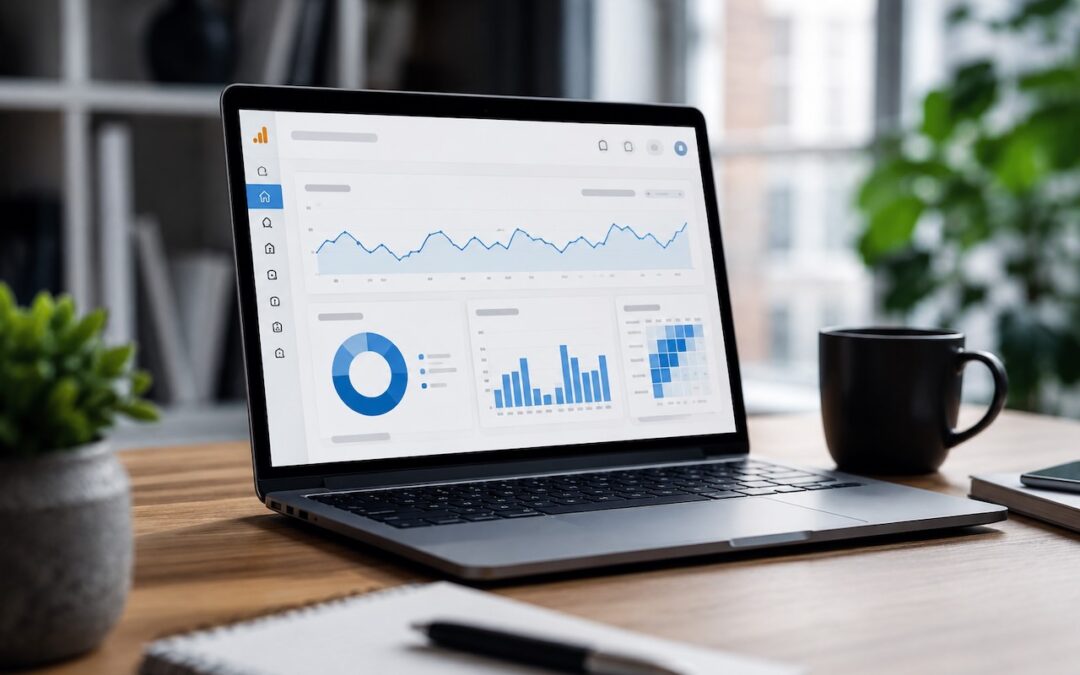
A Google Analytics Expert knows that revenue is usually the last metric to move. By the time sales increase or decline, the signals that caused the change have often been visible for weeks or even months. This is why the most successful marketers and business owners pay close attention to leading indicators rather than waiting for revenue reports. Google Analytics provides a wealth of behavioural data that helps predict future business performance. Understanding these metrics allows you to spot opportunities earlier, identify problems before they become serious and make better marketing decisions based on evidence rather than assumptions.
Revenue Leaves Clues Long Before It Appears
Many businesses make the mistake of focusing exclusively on revenue, leads and conversions. While these are essential metrics, they are lagging indicators. They tell you what has already happened, not what is likely to happen next.
Leading indicators are different. They provide early warning signs and growth signals that often appear before revenue changes. When monitored consistently, they can help you forecast future performance with surprising accuracy.
Think about how people buy today. Whether someone is booking a holiday, requesting a quote, purchasing a product or signing up for a service, they rarely make a decision instantly. Most buyers research, compare options, read content and revisit websites multiple times before converting.
The metrics that track these behaviours often become some of the strongest predictors of future revenue.
Engaged Sessions Are Often the First Signal
One of the most valuable metrics in GA4 is the engaged session. Unlike simple page views, engaged sessions measure meaningful interaction with your website.
When engaged sessions begin increasing, it usually means your marketing is attracting a more relevant audience. These visitors are not simply landing on your site and leaving. They are actively exploring, reading and interacting with your content.
A growing number of engaged sessions often indicates:
- Improving content relevance.
- Stronger audience targeting.
- Better user experience.
- Higher quality traffic.
In many SEO and Google Ads campaigns, increases in engaged sessions are visible well before leads or sales begin to rise. This makes them one of the earliest indicators that your marketing strategy is moving in the right direction.
Returning Visitors Usually Predict Lead Growth
Very few visitors convert on their first visit. Most buyers require multiple interactions before they feel confident enough to take action.
Returning visitor trends provide valuable insight into how seriously your audience takes your products or services. When people return repeatedly, they are often moving closer to a purchase decision.
If you notice growth in returning visitors alongside strong engagement, it is often a sign that future lead generation will improve.
Pay particular attention to returning users who visit:
- Pricing pages.
- Service pages.
- Product comparison pages.
- Case studies.
- Testimonials.
These visits frequently indicate growing buying intent.
Pricing Page Views Reveal Buying Intent
One of the most overlooked predictive metrics is traffic to pricing-related pages.
Most visitors do not review pricing unless they are evaluating a potential purchase. While not every visitor who views pricing will become a customer, increases in pricing page engagement often correlate strongly with future conversions.
For service-based businesses, this may include proposal pages, service packages or quote request pages. For eCommerce businesses, it may involve product pages, shipping information or checkout-related content.
When the pricing page traffic begins increasing while other engagement metrics remain strong, it often indicates that prospects are moving from research mode into evaluation mode.
Content Consumption Shows Demand Building
Content marketing remains one of the strongest drivers of long-term growth. However, many businesses measure content success incorrectly.
Page views alone tell very little about whether content is influencing future revenue. Instead, focus on how users engage with content.
Key indicators include:
- Average engagement time.
- Scroll depth.
- Pages viewed per session.
- Internal link clicks.
- Repeat visits to content.
When content engagement increases, it often reflects growing market interest and stronger audience trust. Visitors who consume multiple pieces of content are generally much closer to becoming customers than those who visit a single page.
Businesses that consistently publish useful content often see content engagement rise long before revenue follows.
Micro Conversions Often Increase Before Sales
Many website owners focus entirely on primary conversions such as purchases or enquiry forms. However, smaller actions often provide a much earlier indication of future demand.
These micro conversions demonstrate that visitors are progressing through the buying journey.
Examples include:
- Newsletter subscriptions.
- PDF downloads.
- Video completions.
- Brochure requests.
- Contact form starts.
- Calculator usage.
- Resource downloads.
Growth in these interactions frequently appears weeks before major conversions increase. This makes micro-conversion tracking one of the most valuable forecasting tools in GA4.
Traffic Quality Matters More Than Traffic Volume
It is easy to become excited about traffic growth, but traffic volume alone rarely predicts revenue accurately.
A website can double its traffic without generating a single additional sale if the audience is poorly targeted.
Instead, focus on traffic quality indicators. These include engagement rates, conversion rates, returning visitor percentages and session depth.
For example, 1,000 highly targeted visitors from relevant search queries are often far more valuable than 10,000 visitors with little interest in your offer.
When traffic quality improves consistently, revenue often follows.
Branded Search Traffic Signals Market Awareness
Businesses that invest in SEO, content marketing, PR and advertising often see increases in branded search activity before revenue growth becomes visible.
When more people search specifically for your company, products or services, it suggests growing market awareness and trust.
Users searching for a brand name generally demonstrate stronger intent than users performing broad informational searches.
Monitoring branded traffic trends alongside engagement metrics can provide valuable clues about future demand.
Lead Quality Metrics Matter More Than Lead Numbers
One of the biggest mistakes businesses make is focusing exclusively on lead volume.
Generating 100 low-quality leads rarely creates more value than generating 20 highly qualified leads.
Google Analytics can help identify behavioural patterns associated with stronger prospects. High-quality leads often:
- Visit multiple pages.
- Spend longer on the site.
- Return several times.
- Consume educational content.
- Interact with conversion-focused pages.
When these behaviours become more common, future revenue potential typically improves even if overall lead volume remains unchanged.
Conversion Paths Reveal Future Opportunities
Understanding how visitors move through your website provides valuable context for predicting future results.
GA4 allows you to analyse conversion paths and identify which content, channels, and interactions drive conversions.
When you notice increasing engagement at key stages of the customer journey, it often indicates stronger future performance. This visibility helps businesses optimise the right areas of the website before revenue is affected.
Rather than reacting to declining sales, you can proactively improve user journeys and remove obstacles that may be preventing conversions.
The Metrics Smart Businesses Monitor Every Week
The businesses that grow consistently are rarely waiting for monthly revenue reports to tell them what is happening. They monitor the signals that appear earlier in the customer journey and use those insights to guide decisions.
Engaged sessions, returning visitors, pricing page views, content engagement, micro conversions and lead quality all provide valuable clues about future business performance. When analysed correctly, these metrics can reveal where growth is likely to come from and where improvements are needed before revenue is impacted.
By focusing on leading indicators rather than lagging outcomes, businesses gain a significant competitive advantage. Working with an experienced Google Analytics Specialist helps ensure these signals are identified, interpreted, and translated into actions that drive measurable, long-term growth.